
Understanding the Key Differences Between ABS and PVC Pipes
- kyle cashion
- Jun 25
- 4 min read

When it comes to plumbing or construction projects, choosing the right type of pipe can make a big difference in performance and durability. Two common types of plastic pipes used in these fields are ABS (Acrylonitrile Butadiene Styrene) and PVC (Polyvinyl Chloride). While they might look similar at first glance, ABS and PVC pipes have distinct properties that affect where and how they should be used. This post breaks down the key differences between ABS and PVC pipes to help you make an informed choice for your next project.
Material Composition and Appearance
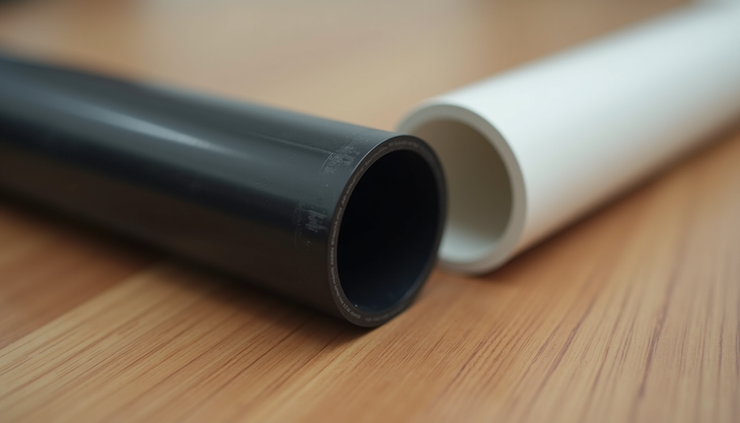
ABS pipes are made from a thermoplastic polymer called Acrylonitrile Butadiene Styrene. This material gives ABS pipes a distinctive black color and a slightly glossy finish. PVC pipes, on the other hand, are made from Polyvinyl Chloride, which typically appears white or light gray with a smooth surface.
The difference in materials affects more than just color. ABS tends to be more rigid and impact-resistant, while PVC is known for its chemical resistance and versatility. These characteristics influence how each pipe performs under different conditions.
Installation and Joining Methods
One of the practical differences between ABS and PVC pipes lies in how they are joined during installation.
ABS pipes are usually joined using a special ABS cement that chemically fuses the pipes and fittings together. This process creates a strong, permanent bond but requires the use of specific adhesives designed for ABS.
PVC pipes use PVC solvent cement, which softens the surface of the pipe and fitting, allowing them to fuse when pressed together. PVC also offers a wider variety of fittings and connectors, making it more adaptable for complex plumbing systems.
Both types of pipes require clean, dry surfaces for proper adhesion, but the cements are not interchangeable. Using the wrong cement can lead to weak joints and leaks.
Temperature and Pressure Ratings
ABS and PVC pipes differ in their ability to handle temperature and pressure, which affects their suitability for certain applications.
ABS pipes can typically withstand temperatures up to about 180°F (82°C). This makes them suitable for drain, waste, and vent (DWV) systems where hot water or steam might be present.
PVC pipes generally have a lower maximum temperature rating, around 140°F (60°C). They are often used for cold water supply lines, irrigation, and venting systems where high heat is not a concern.
In terms of pressure, PVC pipes are often rated for higher pressure applications, especially in water supply systems. ABS pipes are more commonly used in non-pressure applications like drainage.
Chemical Resistance and Durability
Both ABS and PVC pipes resist corrosion and many chemicals, but their resistance varies depending on the substance.
PVC pipes have excellent resistance to acids, alkalis, and salts, making them ideal for chemical processing or irrigation systems.
ABS pipes are more resistant to physical impact and can handle rough handling better without cracking.
In outdoor environments, PVC tends to degrade under prolonged exposure to sunlight unless it is specially treated with UV inhibitors. ABS has better natural UV resistance, which can make it more durable for outdoor use without additional protection.
Cost and Availability
Cost is always a factor in material selection. Generally, PVC pipes are more widely available and tend to be less expensive than ABS pipes. This is partly because PVC has a broader range of applications and a larger manufacturing base.
ABS pipes may cost more upfront but can save money in specific uses where their impact resistance and temperature tolerance reduce maintenance or replacement needs.
Common Applications
Understanding where each pipe type is best used helps clarify their differences:
ABS pipes are commonly found in residential and commercial drain, waste, and vent systems. Their toughness and temperature tolerance make them suitable for underground drainage and venting.
PVC pipes are widely used for water supply lines, irrigation, and venting. Their chemical resistance and pressure ratings make them a go-to choice for cold water plumbing and industrial applications.
Environmental Considerations
Both ABS and PVC are plastic materials, but their environmental impact differs slightly.
PVC production involves chlorine, which raises concerns about toxic byproducts during manufacturing and disposal.
ABS is made from petroleum-based chemicals but does not contain chlorine.
Recycling options for both materials exist but are limited compared to other plastics. Choosing pipes with longer lifespans and proper disposal methods can reduce environmental impact.

Summary of Key Differences
| Feature | ABS Pipe | PVC Pipe |
|-----------------------|------------------------------|-------------------------------|
| Material | Acrylonitrile Butadiene Styrene | Polyvinyl Chloride |
| Color | Black | White or light gray |
| Temperature Rating | Up to 180°F (82°C) | Up to 140°F (60°C) |
| Pressure Rating | Lower, mainly non-pressure | Higher, suitable for pressure |
| Chemical Resistance | Good impact resistance | Excellent chemical resistance |
| UV Resistance | Better natural UV resistance | Requires UV protection |
| Joining Method | ABS cement | PVC solvent cement |
| Common Uses | Drain, waste, vent systems | Water supply, irrigation, vent |
| Cost | Generally higher | Generally lower |
Choosing between ABS and PVC pipes depends on your specific project needs, including temperature, pressure, chemical exposure, and budget.


Comments