
Why Hot Water Heaters Fail and How to Prevent It

A water heater usually works quietly in the background until the day it does not. Then the problem is hard to ignore: cold showers, rusty water, strange popping sounds, a wet floor, or a tank that suddenly starts leaking.
Most hot water heater failures do not come out of nowhere. They build over time through sediment, corrosion, pressure stress, worn parts, poor installation, or plain age. The good news is that many of these problems can be slowed down, spotted early, or prevented with basic maintenance.
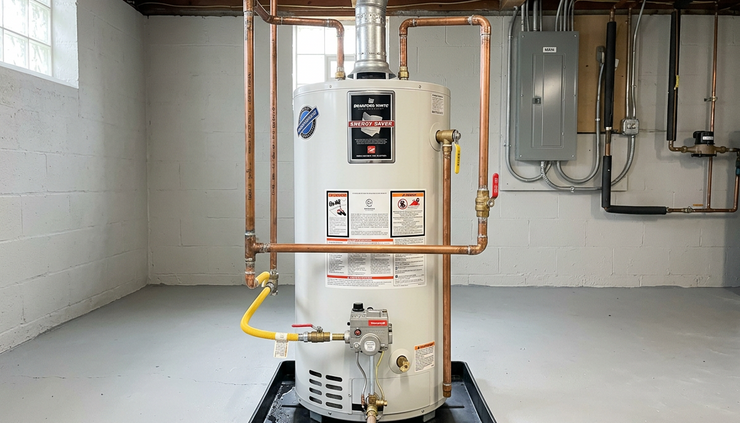
Water heaters fail when small problems go unnoticed
A standard tank water heater has a simple job. It stores water, heats it, and sends it through the home when needed. Gas models use a burner. Electric models use heating elements. Tankless units heat water on demand. All of them deal with heat, pressure, minerals, and constant use.
That combination is tough on equipment.
A water heater may fail slowly over months or years, or it may seem to quit overnight. In many cases, the “sudden” failure started long before anyone noticed. A little sediment became a thick layer. A small leak reached the floor. A worn anode rod stopped protecting the tank. A pressure valve that never got checked became a safety risk.
The most common warning signs include:
Hot water runs out faster than it used to
Water looks rusty, cloudy, or smells metallic
The tank makes popping, rumbling, or banging sounds
Water collects near the base
The temperature changes without warning
The pilot light will not stay lit
The breaker trips on an electric unit
The unit is past its expected service life
Not every symptom means the tank is dead. Some repairs are simple, such as replacing a thermostat, heating element, gas control valve, thermocouple, or pressure relief valve. But a leaking tank is usually a sign that replacement is near.
Sediment buildup is one of the biggest causes
Most homes have minerals in the water supply. Calcium and magnesium are common, especially in hard water areas. When water is heated, those minerals separate and settle at the bottom of the tank.
At first, this layer is thin. Over time, it hardens and grows.
Sediment causes several problems at once. It creates a barrier between the burner or heating element and the water. That makes the unit work harder. The water may take longer to heat, energy use may rise, and hot water may run out sooner.
Sediment can also trap pockets of water underneath it. When that water heats, it can create popping or cracking sounds. Those noises often sound alarming, but they are usually a sign that mineral buildup has created hot spots inside the tank.
Hot spots are bad news. They can stress the steel tank lining, weaken the bottom of the tank, and speed up corrosion.
How to reduce sediment damage
Flushing the tank helps remove loose mineral buildup before it hardens. Many manufacturers suggest regular flushing, but the right schedule depends on the water quality and household use.
A common approach is:
Flush the water heater about once a year
Flush more often if the home has very hard water
Use a water softener if mineral buildup is a repeated problem
Watch for rumbling sounds, slower heating, or cloudy hot water
Flushing a tank involves hot water, pressure, and valves. If the heater is older, heavily corroded, or has never been flushed, forcing the drain valve open may cause trouble. In that case, it is safer to have a licensed plumber inspect it first.
Corrosion slowly destroys the tank
Water and metal are not a friendly pair. Most tank water heaters are made with a steel tank protected by a glass lining. That lining helps, but it is not perfect. Tiny cracks or exposed areas can develop over time.
To slow corrosion, tank water heaters include a part called an anode rod. This rod is designed to corrode before the tank does. It sacrifices itself to protect the steel.
Once the anode rod is used up, the tank has far less protection. Corrosion can then attack the inside of the tank. Rusty hot water, especially when cold water looks clear, can point to internal corrosion.
A corroded tank may eventually leak. Once the tank itself leaks, repair usually is not practical. Parts can be replaced, but the sealed tank cannot be easily restored.
How to protect the tank from rust
The anode rod should be inspected and replaced as needed. This is one of the most overlooked water heater maintenance tasks because the rod is hidden inside the tank.
Signs the anode rod may need attention include:
Rust-colored hot water
Metallic-tasting water
Sulfur-like odors in the hot water
An older heater that has never had the rod checked
A plumber can remove and inspect the rod. In some homes, low ceilings, tight closets, or stuck fittings make the job harder. Still, replacing a worn anode rod can add years of life to a tank that is otherwise in good condition.

Too much pressure can damage the system
A water heater is built to handle pressure, but not unlimited pressure. As water heats, it expands. If the plumbing system has no good way to absorb that expansion, pressure can build inside the tank and pipes.
High pressure can stress fittings, valves, pipes, and the tank itself. It may also cause the temperature and pressure relief valve, often called the T&P valve, to drip or discharge.
The T&P valve is a key safety device. It opens if temperature or pressure gets too high. It should never be capped, plugged, or ignored.
Some homes have a thermal expansion tank installed near the water heater. This small tank gives expanding water a place to go. If the expansion tank fails, pressure problems can return.
Warning signs of pressure problems
Pressure issues are not always obvious. Look for:
Water dripping from the T&P valve discharge pipe
A T&P valve that opens repeatedly
Banging pipes after hot water use
Leaks at fittings near the heater
A failed or waterlogged expansion tank
A working pressure reducing valve, properly sized expansion tank, and functional T&P valve help protect the whole plumbing system.
If the relief valve is leaking, do not assume the valve itself is the only issue. It may be doing its job because pressure is too high.
Heating parts wear out with use
Some water heater failures come from parts that simply wear out. This is especially common when the tank is still sound, but the heater stops producing enough hot water.
Electric water heaters depend on heating elements and thermostats. If an element burns out, the tank may produce lukewarm water or only a small amount of hot water. If the thermostat fails, the water may get too hot, stay too cool, or fluctuate.
Gas water heaters use a burner assembly, gas valve, thermocouple or flame sensor, and venting system. A dirty burner, faulty gas control valve, or failing thermocouple can stop the unit from heating properly.
Tankless heaters have different parts, such as flow sensors, heat exchangers, igniters, fans, and control boards. They also need descaling in areas with hard water.
Common part problems by heater type
Heater type | Common failure points | Typical symptom |
Electric tank | Heating elements, thermostat, wiring, breaker | Lukewarm water, no hot water, tripped breaker |
Gas tank | Thermocouple, gas valve, burner, venting | Pilot will not stay lit, slow recovery, no heat |
Tankless | Flow sensor, heat exchanger, igniter, scale buildup | Error codes, uneven temperature, low hot water flow |
Hybrid heat pump | Air filter, condensate drain, compressor components | Longer heating time, error alerts, reduced efficiency |
Some part replacements are straightforward for a trained technician. Others involve gas lines, electrical wiring, combustion safety, or manufacturer diagnostics. Those jobs are best left to licensed pros.
Poor installation can shorten the life of a heater
Even a good water heater can fail early if it was installed poorly. Installation affects safety, performance, and lifespan.
Common installation problems include:
The tank is too small for the household
The unit is not level
The wrong venting materials are used
The water lines are poorly connected
The expansion tank is missing where needed
The drain pan is missing or not piped to a safe location
The T&P discharge pipe is incorrect
The unit does not have enough combustion air
The electrical circuit is not sized correctly
A water heater that is too small may run constantly and wear out faster. A gas heater with poor venting can create serious safety risks. An electric heater on the wrong circuit can trip breakers or create hazards.
Good installation is not just about getting hot water on day one. It sets the conditions for the heater’s entire service life.
Age catches up with every water heater
No water heater lasts forever. Tank models commonly last for many years with proper care, but age still matters. Tankless units can last longer in many cases, especially when maintained, but they also have parts that wear and scale that must be managed.
As a heater ages, parts fail more often. The tank lining wears down. Corrosion risk rises. Efficiency may drop. A repair that made sense five years earlier may no longer be worth it.
A useful rule is to compare the cost of repair with the age and condition of the unit. If the tank is old, rusty, noisy, and inefficient, replacing it may be smarter than repairing one more part.
When replacement makes more sense than repair
Replacement is often the better choice when:
The tank is leaking
Rusty water comes from the hot side
The heater is near or past its expected life
Repairs are becoming frequent
The household often runs out of hot water
Energy bills have risen without another clear reason
The unit has safety or venting issues
A new heater also gives a chance to choose the right size, fuel type, and efficiency level for the home.

A simple maintenance plan prevents many failures
Preventing water heater failure does not require constant attention. It does require a few regular checks.
Use this basic schedule as a starting point:
When | What to check | Why it matters |
Monthly | Look for leaks, rust, or water around the base | Small leaks can become major damage |
Every few months | Check for unusual noises or temperature changes | Sediment and part problems often show up early |
Once a year | Flush the tank if appropriate | Removes loose sediment before it hardens |
Once a year | Test or inspect the T&P valve | Confirms an important safety device can work |
Every few years | Inspect the anode rod | Helps prevent internal tank corrosion |
As needed | Service tankless units and descale the heat exchanger | Keeps flow and heating performance steady |
Also keep the area around the heater clear. Do not store flammable materials near a gas water heater. Make sure the unit has access for service. If it sits in a basement, closet, laundry room, garage, or attic, check it after storms, plumbing work, or long periods away from home.
Set the water temperature to a safe, practical level. Many homes use 120°F as a common setting, which can reduce scald risk and slow mineral buildup. Some households may need a different setting for specific appliances or needs, so follow manufacturer guidance and local code.
Know the early warning signs before the tank fails
The best time to respond is before the water heater stops working. A small symptom can save money if it leads to a timely repair.
Call a professional if you notice:
Water pooling near the tank
Rust on the tank, valves, or pipe connections
A burning smell or scorch marks
Repeated breaker trips
The pilot light keeps going out
The T&P valve discharges more than once
Hot water temperature swings suddenly
The unit makes loud banging or rumbling sounds
The heater is in an attic or finished space and shows any leak
Turn off the power or gas supply only if you know how to do it safely. If you smell gas, leave the area and contact the gas utility or emergency services from a safe location.
For electric units, water and electricity are a dangerous mix. If the heater is leaking near wiring, breakers, or electrical components, do not touch the unit while standing in water.

The main reason hot water heaters fail is neglect
Most failures trace back to a handful of causes: sediment, corrosion, pressure, worn parts, poor installation, and age. Some of these are unavoidable over time, but neglect makes them worse.
The best prevention plan is simple. Keep an eye on the tank, listen for new sounds, flush when appropriate, check the anode rod, make sure safety valves and expansion controls work, and address leaks or rust early.
A water heater does not need much attention, but it does need some. A few routine checks can protect the tank, lower the chance of water damage, and help keep hot water available when the household needs it most.


Comments