
Maintaining Your Garbage Disposal: Tips and Tricks
- kyle cashion
- Jul 17, 2025
- 3 min read

Maintaining your garbage disposal is essential for keeping your kitchen clean and odor-free. A well-maintained disposal can help you avoid unpleasant smells, clogs, and costly repairs. This guide will provide you with effective tips and tricks to ensure your garbage disposal operates at its best.
Garbage Disposal Tips: Daily Maintenance
Regular daily maintenance is key to prolonging the life of your garbage disposal. One simple method is to run cold water whenever you use the disposal. Always let the water run for about 15 seconds before and after grinding food waste. This helps flush food particles down the drain and prevents clogs.
Additionally, avoid putting fibrous, starchy, and greasy foods down the disposal. Items like celery, potato peels, and oil can cause blockages and lead to damages. Also, avoid disposing of hard items like bones or nutshells, as they can dull the blades.

Periodic Cleaning to Remove Odor
It's normal for garbage disposals to develop odors over time, especially if food residues are lingering inside. Periodic cleaning is essential. One simple way to freshen up your disposal is by using ice cubes. Fill your disposal with ice cubes, and turn it on while running cold water. The ice helps to dislodge any stuck food particles while grinding away odors.
Another effective method for eliminating bad smells is using vinegar and baking soda. Pour a half cup of baking soda followed by a half cup of vinegar down the disposal. Let it sit for about 10 minutes, then rinse it with hot water. This natural combination can help neutralize odors.
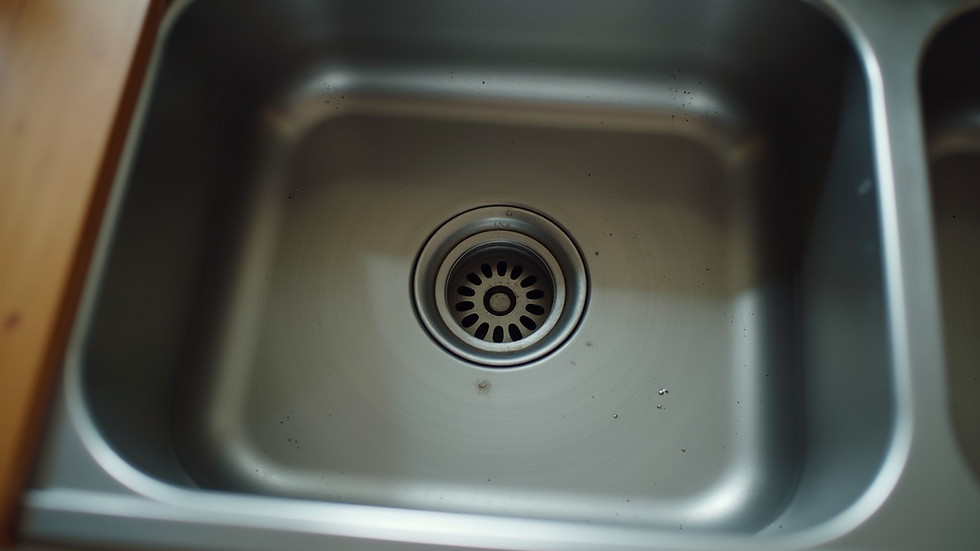
Should I Get a 1/2 or 3/4 hp Garbage Disposal?
When considering the power of your garbage disposal, the horsepower (hp) rating is crucial. A 1/2 hp garbage disposal is suitable for smaller households that don’t dispose of a lot of food waste. If you primarily grind softer food like fruits and veggies, this might be adequate for your needs.
However, for larger families or those who frequently cook at home, a 3/4 hp garbage disposal is recommended. This option can handle more substantial waste, including tougher items, without straining the motor. It also tends to run quieter and reduces the risk of clogs.
Preventing Clogs with Proper Use
Proper usage is vital in preventing clogs in your garbage disposal. Always feed food waste slowly into the disposal rather than dumping everything at once. This gives the unit time to process each bit efficiently. If the disposal begins to make unusual noises or feels sluggish, stop using it immediately and check for clogs.
When you suspect a clog, check that the disposal is aligned correctly with the drain. If the unit is jammed, turn off the power before using the hex wrench in the bottom of the unit to free any stuck debris. You can also use a flashlight to look inside and remove any visible blockages.

Signs It's Time for a Professional Inspection
There may come a time when your disposal shows signs that it requires professional attention. If you notice frequent clogs, strange noises, or bad odors that persist despite cleaning, it may be time to call on professionals. A qualified technician can assess the situation accurately and recommend necessary repairs or replacements.
Another indicator is if your disposal leaks. A leaking garbage disposal can cause water damage and should be addressed immediately. It’s best not to delay, as continuing to use a malfunctioning disposal can exacerbate the issue.
Maintaining your garbage disposal doesn’t have to be challenging. By following these tips and tricks, you can ensure your unit remains in good working order for years to come. Regular maintenance, combined with proper usage, can go a long way in preserving your kitchen's essential appliance.
You can always consult experts if you have any specific questions or concerns. For more information on garbage disposals, consider professional guidance to help keep your kitchen running smoothly.


Comments